

Understanding Whooping Cough and Natural Healing: An Ayurvedic Perspective
My Personal Journey with Whooping Cough
The whooping cough (also known as pertussis) is unlike any illness I’ve experienced. The coughing fits were so violent that they left my body sore and exhausted. I even ended up in the ER because I couldn’t breathe. Brutal.
Although I typically avoid antibiotics, I finally succumbed to taking them due to the severity of my symptoms. Sometimes you’ve got to do what you’ve got to do.
The inflammation in my lungs became so intense that I was prescribed a puffer to help me breathe. This experience was challenging to overcome. I knew I needed to combine Ayurvedic remedies with modern medicine to fully recover. I’m sharing my story in hopes that it may help others, as there is currently an epidemic of whooping cough in Canada and US right now.

What Is Whooping Cough?
Whooping cough, or pertussis, is a highly contagious respiratory infection caused by the bacterium Bordetella pertussis. Known for its intense coughing fits followed by a characteristic “whooping” sound, the infection can be particularly dangerous for infants and vulnerable individuals. While vaccines and antibiotics have drastically reduced cases since the 20th century, outbreaks still occur.
Transmission and Symptoms
Whooping cough spreads through respiratory droplets, often before the classic symptoms start. It begins with cold-like symptoms, such as a runny nose and mild cough, but then progresses to severe coughing fits that can last weeks. The “whoop” sound occurs as patients try to catch their breath between coughing episodes. Feeling breathless is also a symptom and the infection can be life-threatening for young children, making early detection crucial. (The test for whooping cough is similar to a Covid test, but needs to be done in a lab.)
Ayurvedic Remedies for Whooping Cough
While antibiotics are necessary in severe cases like mine, Ayurvedic treatments definitely support recovery. Below are some Ayurvedic tridoshic (meaning good for all doshas) remedies for whooping cough that also apply to other respiratory ailments like bronchitis or even pneumonia. Note that if antibiotics are prescribed, aggressive ayurvedic herbs that treat infection are not advised (too intense). Instead, ayurvedic wisdom (like the ones below) are used to rebuild the body’s ojas, or vital energy.
- Holy Basil / Tulsi: Tulsi has antimicrobial and anti-inflammatory properties, helping to clear respiratory passages. I regularly drank tulsi tea, which helped reduce my coughing and soothe my throat. You can also take tulsi or holy basil in capsule form;
- Ginger
Ginger is anti-inflammatory and warming, making it ideal for respiratory infections. Make an infusion of ginger by boiling it and letting it simmer for 5-15 mins. Then add some honey and drink it as a tea. Adding ginger to food like a ginger-carrot soup is also recommended; - Licorice Root (Yashtimadhu)
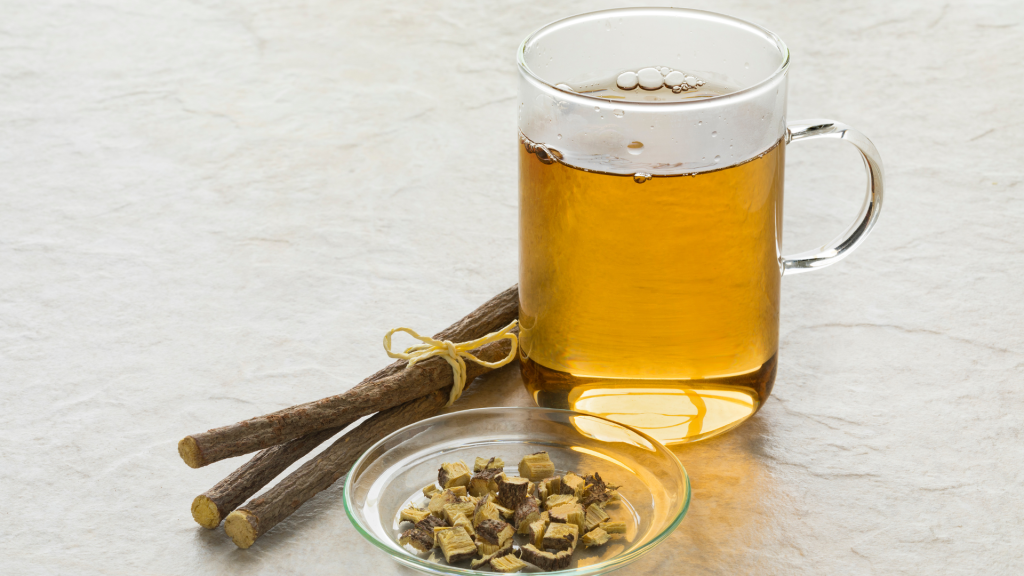
Licorice is a well-known Ayurvedic remedy for coughs and sore throats. It’s lubricating for the respiratory system and acts as an expectorant. I took licorice tea to help coat my throat and reduce irritation during the worst of my coughing fits; - Triphala
Triphala is blend of three fruits that I recommend often as it regulates the digestive system and encourages healthy elimination. Whenever we are sick, the digestive system is weak and requires support to clear out the pathogens; - Amla or Amlaki
Amla is one of the three fruits in triphala and is very high in non-acidic vitamin C, which means it is easy on the stomach and helps to boost the immunity system without disturbing pitta; - Simple warm foods
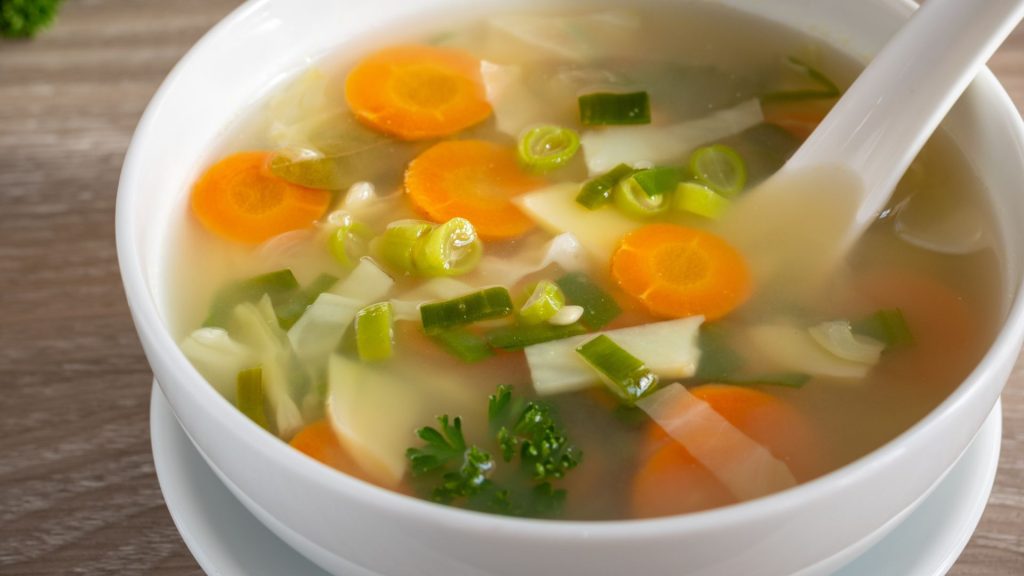
It is important to have warm, easy-to-digest, nourishing foods like soups, bone broths, steam veggies, stews and kitchari (simple dish made from mung dal or lentils and rice). Small light meals are best. Click here for an easy kitchari recipe. - Hydration, Warm Water, Honey and Lemon
Hydration is key Drinking warm water with honey and lemon provided relief for my throat and helped me stay hydrated. Honey has antimicrobial properties, and lemon offers a boost of vitamin C. - Steam inhalations
Steam inhalation involves breathing in warm, moist air to clear airways and reduce coughing. Adding eucalyptus oil enhances this by breaking up mucus and soothing the respiratory tract. To do it, boil water, add a few drops of eucalyptus oil, and inhale deeply with a towel over your head. - Rest
Rest and staying calm are essential during whooping cough recovery, as physical exertion and stress can trigger more severe coughing fits and delay healing. Prioritizing rest helps the body conserve energy for recovery and allows the immune system to function more effectively. - Rebuilding
After antibiotics, it’s important to rebuild the body by restoring gut health and gently detoxifying. This can be done through probiotics, nutrient-dense foods like kitchari, warm lemon water, and Ayurvedic herbs such as turmeric and triphala, all of which help support digestion, boost immunity, and promote overall recovery.
Things to Avoid During Whooping Cough
While recovering, certain foods and habits can worsen symptoms or slow down recovery. Here’s what to avoid:
- Cold food or beverages
Cold foods can trigger more mucus production, making it harder to manage coughing fits. I stuck to warm teas, soups, and broths to keep my respiratory system soothed. - Spicy, Sour and Heavy or Fried Foods
Spicy foods can irritate the throat further, so I opted for milder meals that were easier on my throat and lungs. - Dairy Products
Since dairy can thicken mucus, I avoided milk, cheese, and yogurt to prevent congestion and ease breathing. - Exposure to Smoke or Pollutants
This may go without saying, but it is imperative to avoid any kind of smoke or pollution because this irritates the lungs, especially when they’re inflamed. Fresh air is helpful, so sleeping with the window open and sitting outside in nature is great; - Strenuous Physical Activity
Physical activity aggravated my coughing, so I focused on rest and gentle movement until I was fully recovered. Some slow bed yoga was helpful in releasing tension in my shoulders and chest as result of the coughing fits.
The Role of Antibiotics and Modern Treatment
While I deeply value holistic healing, there are times when immediate medical intervention is necessary. Whooping cough is a serious infection, and in my case, antibiotics were vital to address the underlying bacterial cause. However, antibiotics do not always provide immediate relief from symptoms, which is why Ayurvedic remedies were essential for soothing my throat and supporting my body as I healed.
There appears to be an epidemic of whooping cough in Canada currently, so I hope this post helps others balance modern medicine with natural treatments during this challenging illness.
Conclusion
While I deeply value holistic healing, there are times when immediate medical intervention is necessary. If you suspect whooping cough, consult a healthcare professional, especially if symptoms are severe or prolonged. Whooping cough is a serious infection, and in my case, antibiotics were vital to address the underlying bacterial cause. This said, antibiotics do not always provide immediate relief from symptoms and they do not support the immunity system long-term, which is why Ayurvedic remedies for whooping cough are essential for recovery, healing and rebuilding the body.
For more support on health, boosting your immune system, and overall well-being, book a consult with me: Link here.